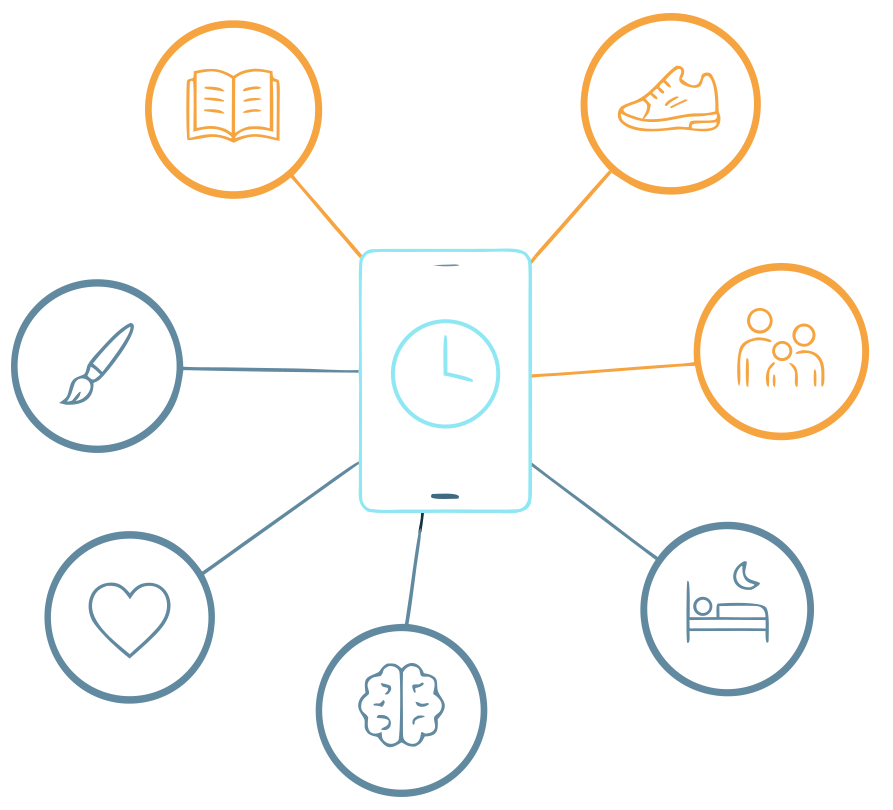
Replacement category
Sleep
Screens can interfere with bedtime routines and reduce the amount or quality of sleep children get.
Why it matters
Sleep supports memory, mood, learning, growth, and emotional regulation.
Small change
Create a screen-free bedtime window
Replacement category
Reading
Screens can replace shared reading time and independent book exploration.
Why it matters
Reading supports language, literacy, imagination, attention, and caregiver connection.
Small change
Read one book before screens
Replacement category
Outdoor Play
Screen use can replace open-ended outdoor time, sunlight, and exploration.
Why it matters
Outdoor play supports sensory learning, physical confidence, mood, and sleep pressure.
Small change
Step outside for 10 minutes before screens
Replacement category
Physical Movement
Screen use can reduce time spent moving, climbing, running, balancing, and exploring.
Why it matters
Movement supports motor development, physical health, coordination, mood, and sleep.
Small change
Use outdoor play before entertainment screens
Replacement category
Conversation
Screens can reduce back-and-forth communication between children and caregivers.
Why it matters
Conversation builds vocabulary, listening, social connection, and emotional understanding.
Small change
Make one meal screen-free
Replacement category
Creative Play
Screens can replace pretend worlds, building, drawing, and child-led ideas.
Why it matters
Creative play supports imagination, problem solving, language, flexibility, and self-direction.
Small change
Leave out paper, blocks, or simple props
Replacement category
Boredom
Screens can fill every quiet pause before children practice making their own choices.
Why it matters
Boredom can help children build patience, creativity, planning, and tolerance for ordinary discomfort.
Small change
Create a small waiting kit
Replacement category
Emotional Regulation
Screens can become the default way to stop frustration, sadness, boredom, or anger.
Why it matters
Children need practice feeling emotions, naming them, and calming down with support.
Small change
Use simple calming scripts
Replacement category
Family Meals
Screens can replace shared attention, conversation, and predictable family connection during meals.
Why it matters
Meals can build language, belonging, routines, and healthier relationships with food and people.
Small change
Try one screen-free meal
Replacement category
Social Connection
Screens can replace face-to-face play, friendships, sibling time, and caregiver connection.
Why it matters
Children learn empathy, repair, turn-taking, and belonging through real social practice.
Small change
Schedule one offline connection moment