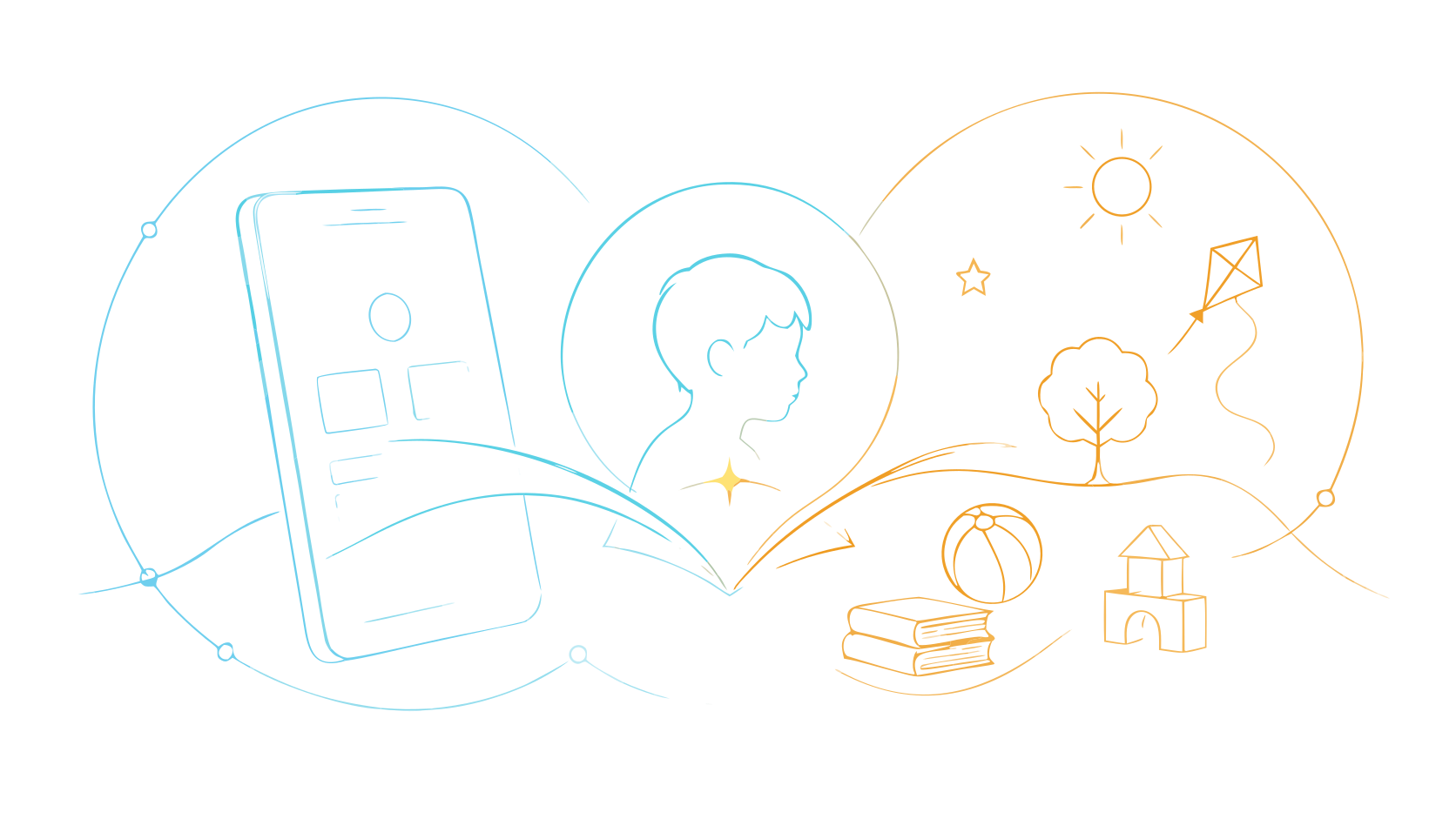
Time, content, context, age, and what screens replace.
Public awareness for healthier screen habits
Screens are shaping childhood. Let's make sure they do not replace it.
Brainonscreens helps families understand how screen exposure may affect child development and build healthier digital habits without shame, panic, or unrealistic expectations.
The big idea
The issue is not just screen time.
Screens can be useful. The concern grows when screen use becomes frequent, passive, poorly timed, or relied on in ways that crowd out developmental essentials.
What did the screen replace today?
From sleep and reading to family meals and social connection.
A short practical window for noticing routines and choosing one change.
Replacement Effect preview
Childhood needs real-world repetition.
Signature question
What did the screen replace today?
The goal is not guilt. The goal is awareness.
Replacement category
Sleep
Screens can interfere with bedtime routines and reduce the amount or quality of sleep children get.
Why it matters
Sleep supports memory, mood, learning, growth, and emotional regulation.
Small change
Create a screen-free bedtime window
Replacement category
Reading
Screens can replace shared reading time and independent book exploration.
Why it matters
Reading supports language, literacy, imagination, attention, and caregiver connection.
Small change
Read one book before screens
Replacement category
Outdoor Play
Screen use can replace open-ended outdoor time, sunlight, and exploration.
Why it matters
Outdoor play supports sensory learning, physical confidence, mood, and sleep pressure.
Small change
Step outside for 10 minutes before screens
Replacement category
Physical Movement
Screen use can reduce time spent moving, climbing, running, balancing, and exploring.
Why it matters
Movement supports motor development, physical health, coordination, mood, and sleep.
Small change
Use outdoor play before entertainment screens
Replacement category
Conversation
Screens can reduce back-and-forth communication between children and caregivers.
Why it matters
Conversation builds vocabulary, listening, social connection, and emotional understanding.
Small change
Make one meal screen-free
Replacement category
Creative Play
Screens can replace pretend worlds, building, drawing, and child-led ideas.
Why it matters
Creative play supports imagination, problem solving, language, flexibility, and self-direction.
Small change
Leave out paper, blocks, or simple props
Replacement category
Boredom
Screens can fill every quiet pause before children practice making their own choices.
Why it matters
Boredom can help children build patience, creativity, planning, and tolerance for ordinary discomfort.
Small change
Create a small waiting kit
Daily routine
The story is not abstract. It happens in ordinary moments.
Inspired by the reference site's horizontal discovery moments, this rail turns daily routines into a tactile scroll path.
Morning
Start with connection before content.
A few minutes of voice, food, movement, or planning can set the rhythm before screens enter the day.
Meals
Protect the table as a shared signal.
Meals do not need to be perfect. One screen-free meal can create room for language and belonging.
Waiting
Let short pauses stay human.
Waiting rooms, car lines, and restaurant delays can become small practice moments for patience and conversation.
Emotion
Regulation needs repetition.
Screens may stop a hard moment fast. Children still need practice naming feelings and calming with support.
Bedtime
End the day with lower light.
A calmer last hour can protect sleep, reduce conflict, and make tomorrow easier.
Screen risk model
Not all screen time is equal.
Screen Risk = Time + Content + Context + Child Age + What It Replaces
Time
Longer sessions deserve more attention, especially when they happen daily or crowd out sleep and movement.
Why it matters
Screens may affect the routines development depends on.
Early brain development
Young children learn through voice, touch, movement, repetition, and responsive care.
Language and literacy
Conversation and reading build vocabulary, attention, memory, and connection.
Sleep
Bedtime routines and device-free bedrooms can protect rest, mood, and learning.
Emotional regulation
Children need practice feeling, naming, and moving through discomfort with support.
Social connection
Shared meals, play, and ordinary routines teach belonging and repair.
Movement and play
Physical exploration supports coordination, confidence, mood, and sleep pressure.
Practical help
Start with one route that fits your family.
Trust statement
- Brainonscreens is educational and informational.
- It does not provide medical diagnosis or treatment.
- Families with concerns should consult a pediatrician, therapist, or qualified healthcare provider.
Next step
Ready for a practical next step?
Use the reset to notice habits, identify what screens replace, and choose one change for the next 7 days.